
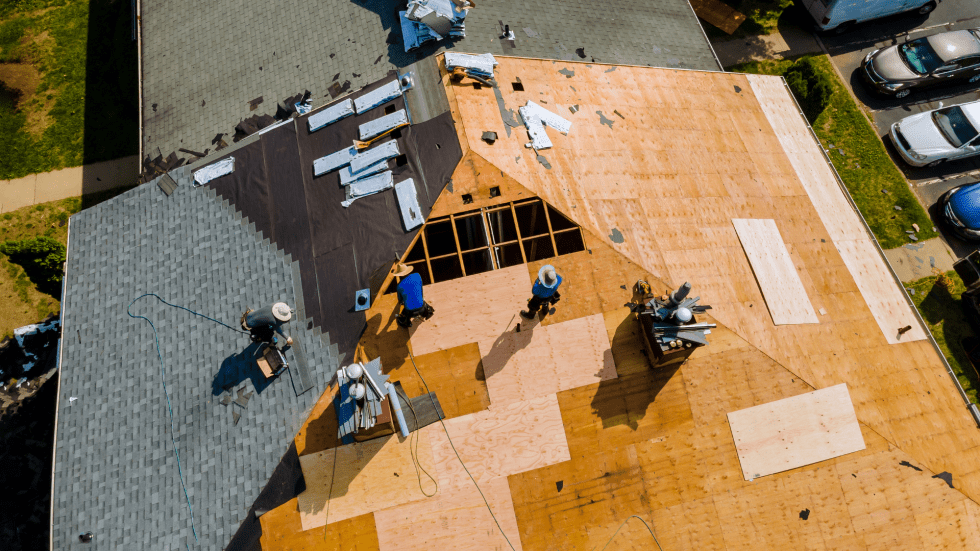
The Wooden Materials Used in Roofs
When undertaking a roofing project, homeowners often focus on shingles, flashing, and underlayment. However, the wooden components of a roof are just as crucial, as they form the structural foundation. Understanding these materials can help you anticipate potential replacements and repairs during a roofing project.
Any wooden object used in the construction of a roof can be damaged by moisture, but certain parts are much more susceptible to rotting because of their role and exposure level. Below, we provide an overview of key wooden materials used in roofing, their functions, and the likelihood that they may need to be replaced during the course of a roofing project.
It is quite rare for all of a specific material to be replaced. Usually there are just a few sections that have significant damage.
Fascia Boards
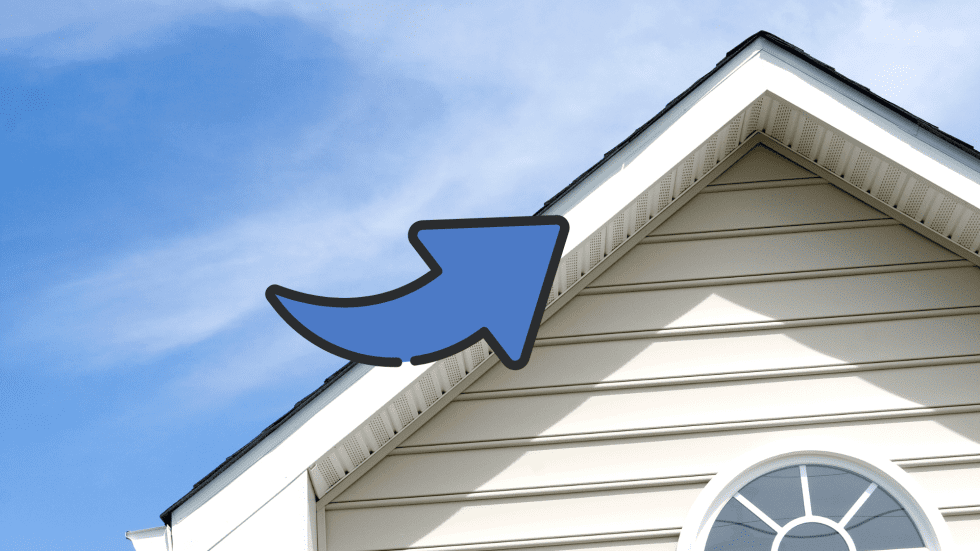
Fascia boards run along the edge of the roof and are attached to the ends of rafters. They provide support for the gutter system and enhance the roof's appearance. These boards often act as a sacrificial piece to protect more important components underneath, such as rafters, soffit boards, and sheathing.
Likelihood of Replacement: High. Since they are exposed to moisture, they frequently suffer from rot and may need replacement during a roofing project.
Plywood Sheathing
Plywood sheathing (or decking) consists of large, flat sheets of plywood (also called CDX) or oriented strand board (OSB) that cover the roof framing (rafters). It serves as a base for underlayment and shingles, providing structural stability.
Likelihood of Replacement: Moderate to High. If there has been water damage, rot, or warping, sections or the entire sheathing may need to be replaced. Sheathing is especially susceptible to water damage because it is directly underneath the underlayment membrane, so any water that makes its way past the underlayment will contact the sheathing immediately.
For a deeper dive into roof sheathing, check out our article on what is roof sheathing and do you need it.
Decking Boards
Often times the decking will be boards instead of plywood. These boards are often tongue and groove or shiplap boards to form a solid surface. They are normally 1" thick.
Likelihood of Replacement: It is common (around 1 in 4 roof jobs) to require some decking boards to be replaced. Most commonly boards near the eaves need to be replaced. These are not too expensive to replace generally. To see real examples of what these repairs cost, check out our change order cost quiz.
Soffit Boards
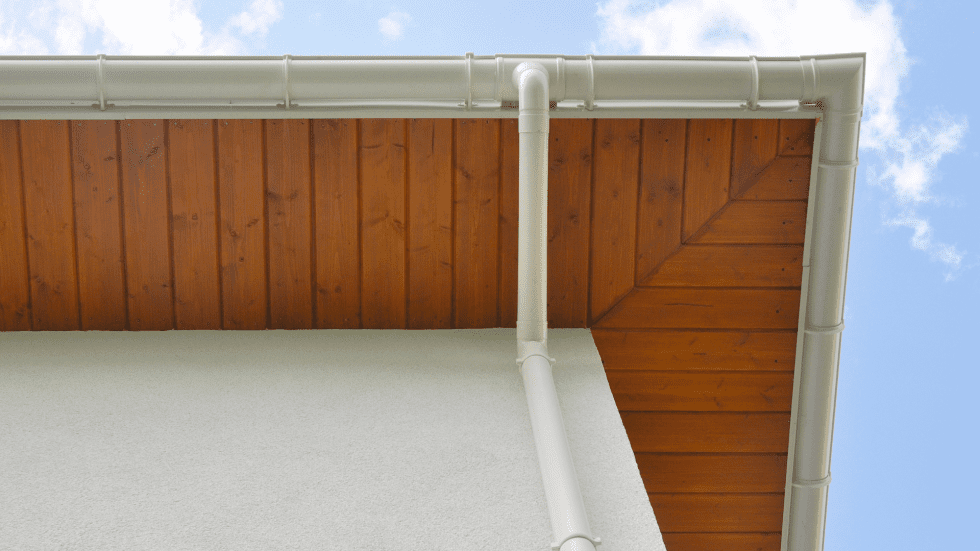
Soffit boards are installed under roof overhangs to enclose the eaves. Soffits provide ventilation to the attic space, while shiplap is sometimes used in exposed ceiling applications.
Likelihood of Replacement: Moderate to High. If ventilation is poor or moisture builds up, soffit boards may deteriorate and require replacement.
Crickets/Saddles
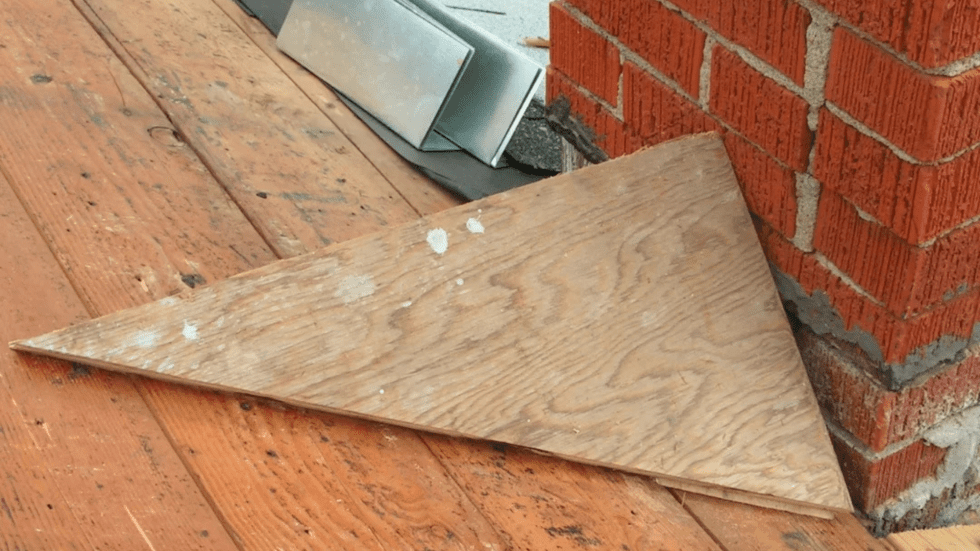
Crickets (or saddles) are small peaked structures installed behind chimneys or other large roof penetrations to divert water away and prevent pooling. Some crickets are also added to sections of the roof that would normally drain poorly, to help shed water away from those vulnerable areas.
Likelihood of Replacement: High. Since crickets are prone to water exposure, they may need replacement along with roofing materials to maintain proper drainage.
Rafters
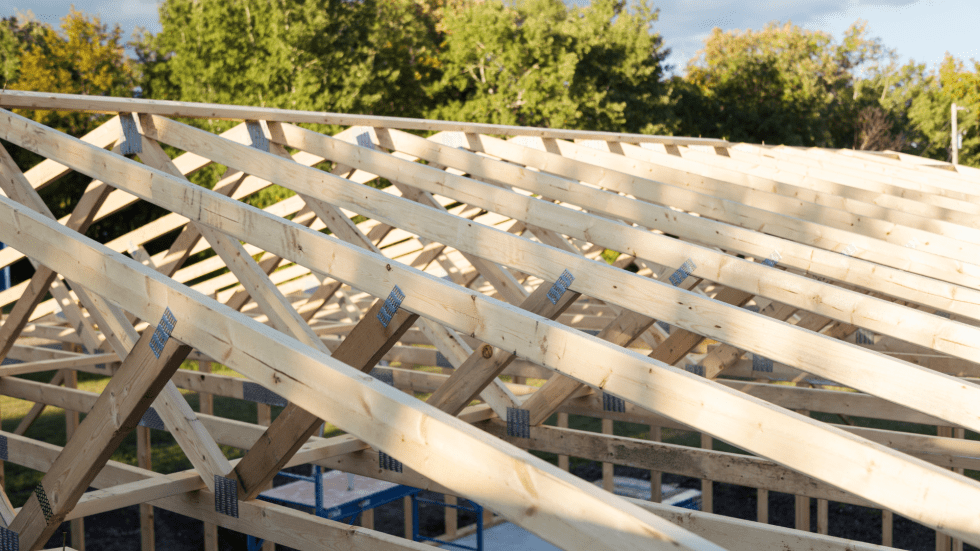
Rafters are the primary structural members of a roof, spanning from the ridge beam to the exterior walls, providing the roof's slope and shape. The rafters support the sheathing/decking material which the roof is nailed to, so they are especially important. Sometimes a failing rafter will present itself as a dip or low spot in the roof.
Likelihood of Replacement: Low. Rafters are thick structural components and typically do not require replacement unless there is significant water damage or termite infestation. If rot has spread enough to damage rafters it is generally a job with significant rot.
Rafter Tails
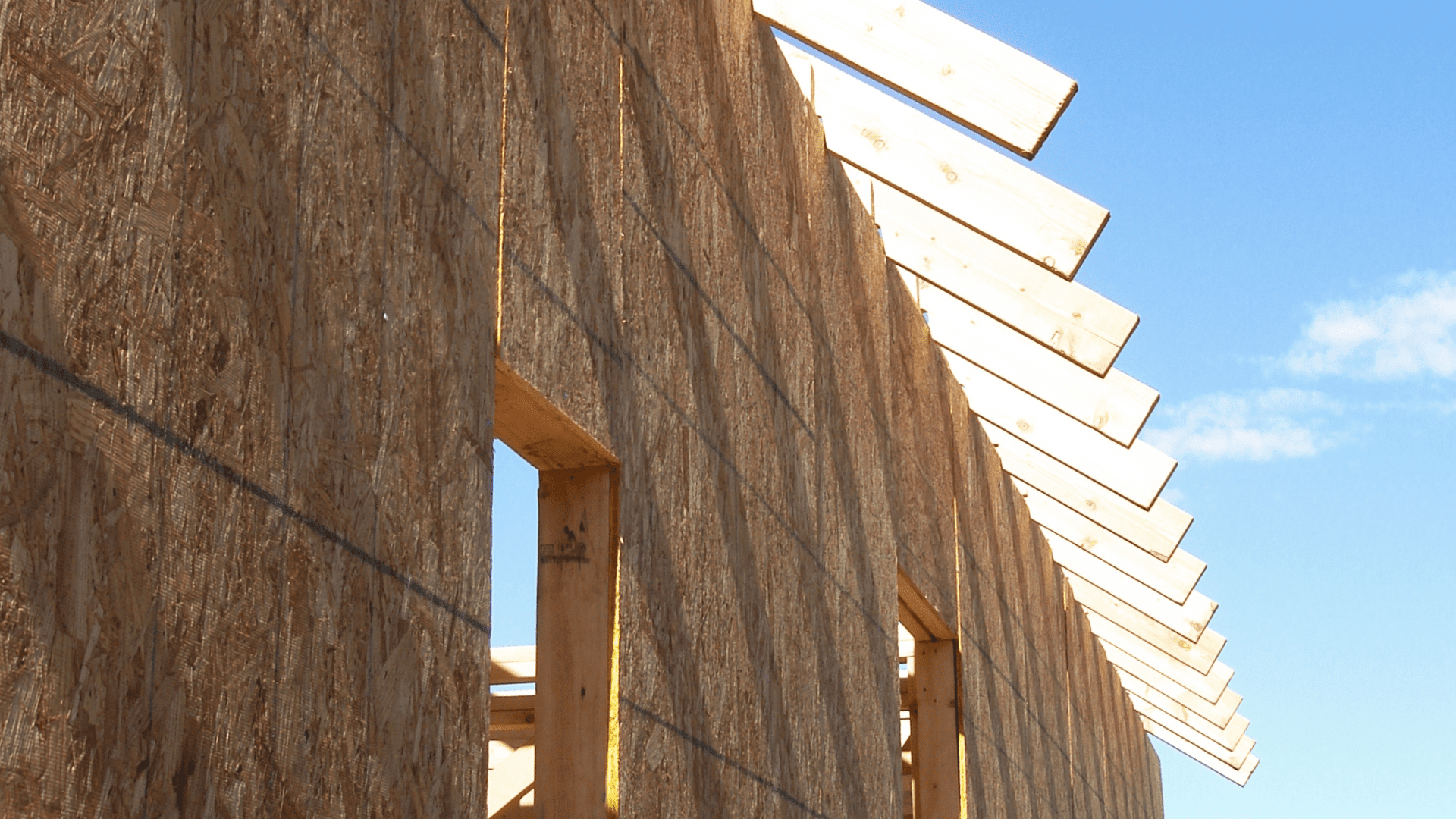
Rafter tails are the exposed ends of rafters extending beyond the walls to support the roof overhang. Typically they are covered by sheathing on top and fascia boards on the side, but sometimes they are left exposed on the sides, which increases the odds of water damage.
Likelihood of Replacement: Moderate to High. Because they are often exposed to the elements, they are susceptible to rot and deterioration. Even rafter tails that are covered by fascia boards can be damaged by moisture if the fascia boards are not replaced soon enough.
Skip-Sheathing
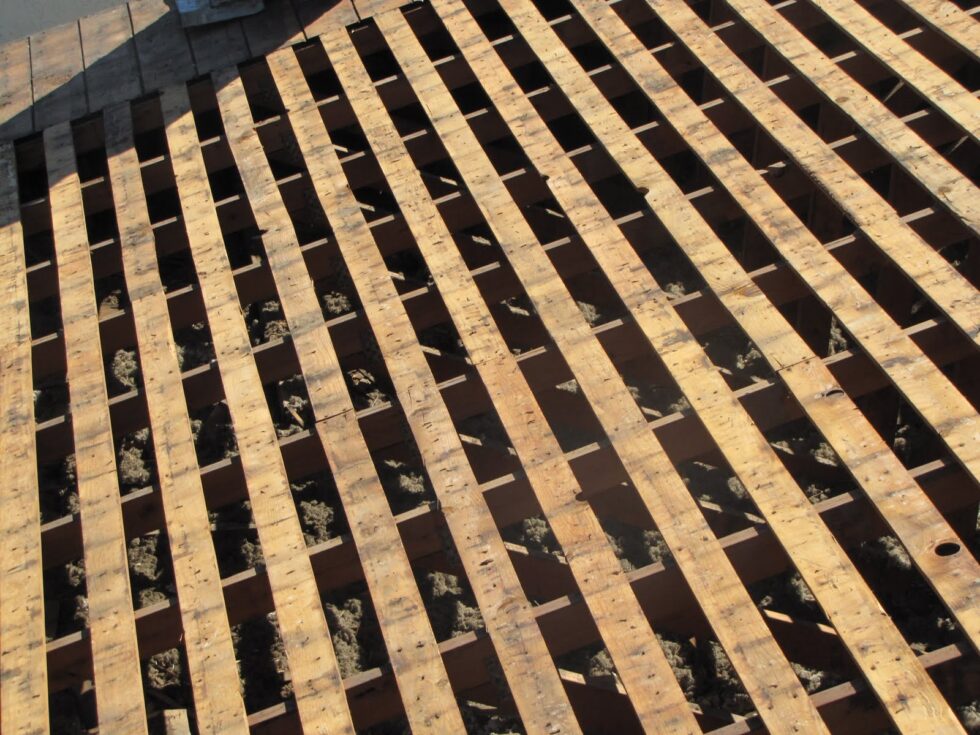
Skip-sheathing is an older roofing technique that consists of spaced wooden boards rather than solid sheets. It is typically found on homes with wood shake or tile roofs, providing airflow underneath. It is common for skip-sheathing to have new plywood sheathing installed on top of it as required by the local building department.
Check your attic space for evidence of skip-sheathing so as to avoid surprises with additional costs due to this requirement.
Likelihood of Replacement: Moderate. If boards are damaged, missing, or rotted, they will need to be replaced before new roofing material is installed.
Siding
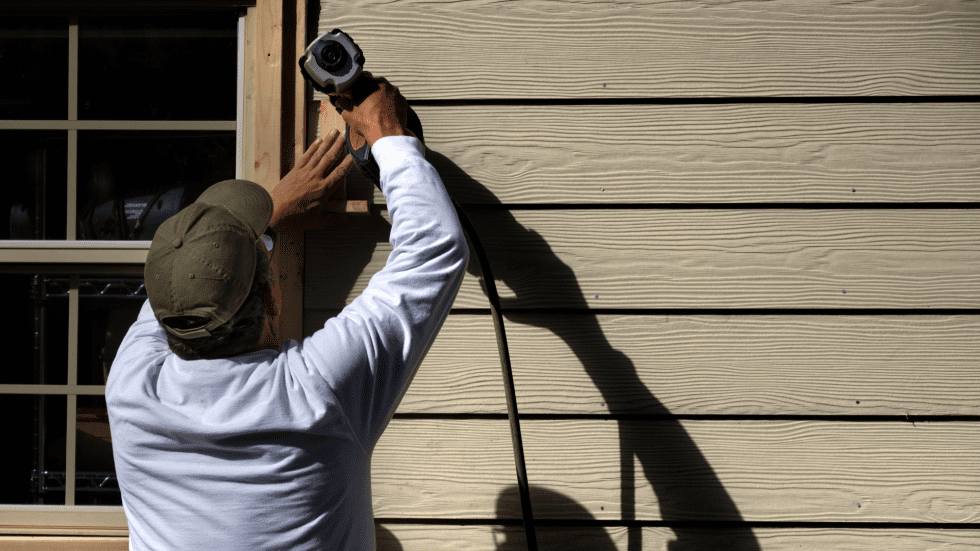
While siding is not a direct part of the roofing system, it is often impacted during roof replacement, especially around gable ends and dormers, or roof-to-wall junctions on multi-story buildings.
Likelihood of Replacement: Low to Moderate. If a roof project requires flashing replacement or siding removal, some sections may need to be replaced.
Ridge Board/Beam (Tie Beam)
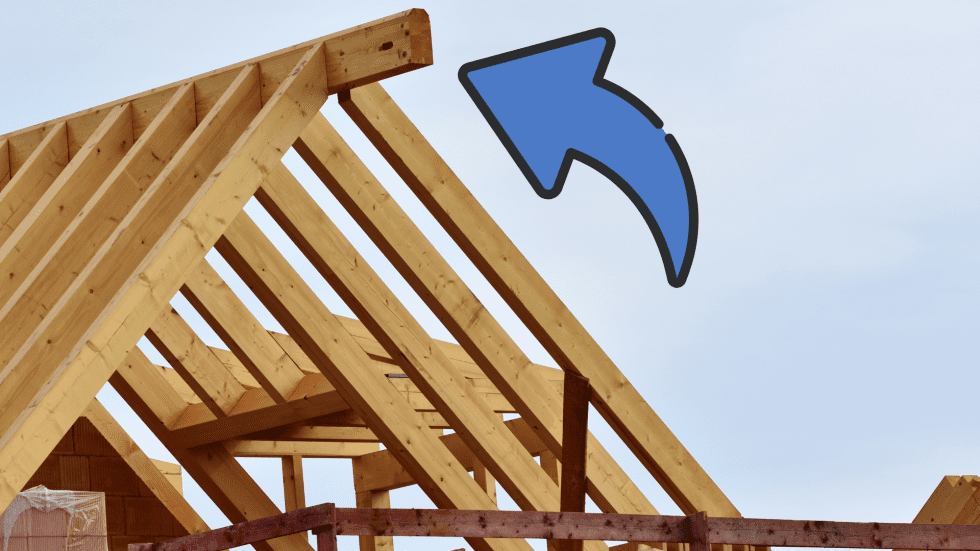
The ridge board (or beam) is the horizontal member at the peak of a roof where rafters meet. It provides alignment and structural stability.
Likelihood of Replacement: Low. Unless there is severe structural failure, ridge boards generally remain intact throughout a roof's lifespan.
Top Plate
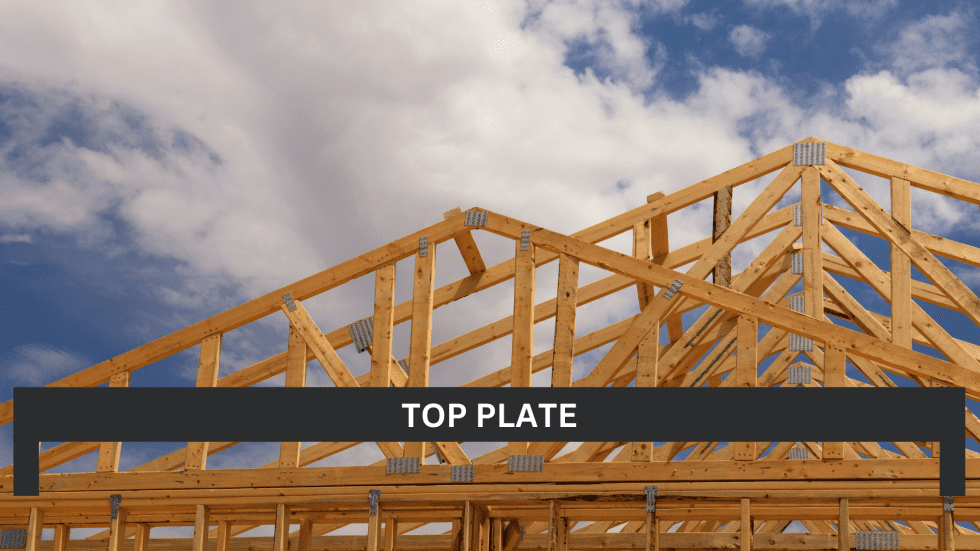
The top plate is the horizontal framing member at the top of a wall that supports rafters or trusses.
Likelihood of Replacement: Low. Damage is rare unless there has been significant structural movement or long-term moisture exposure.
Collar Ties
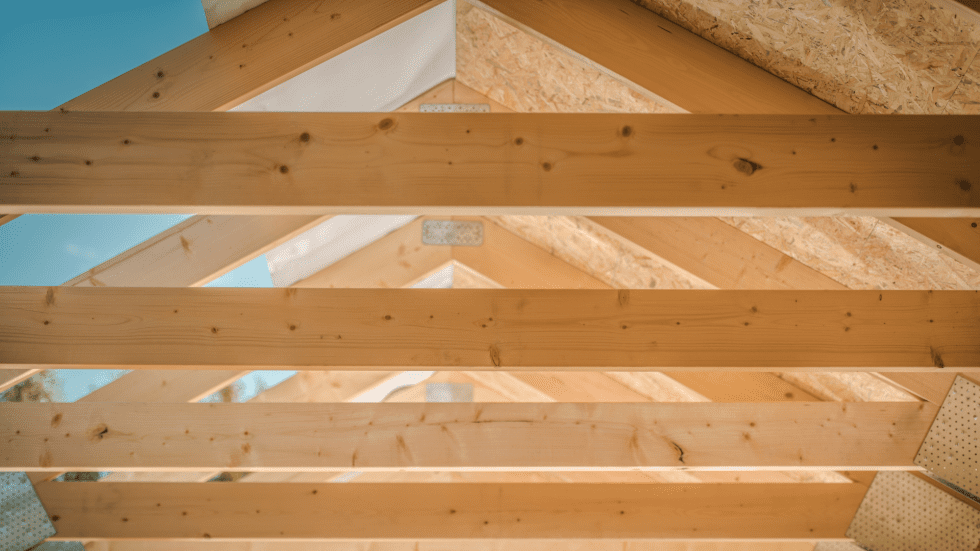
Collar ties are horizontal members that connect opposing rafters near the ridge to prevent roof uplift.
Likelihood of Replacement: Very Low. Typically, collar ties do not need replacement unless damaged by rot or structural movement.
Ceiling Joists
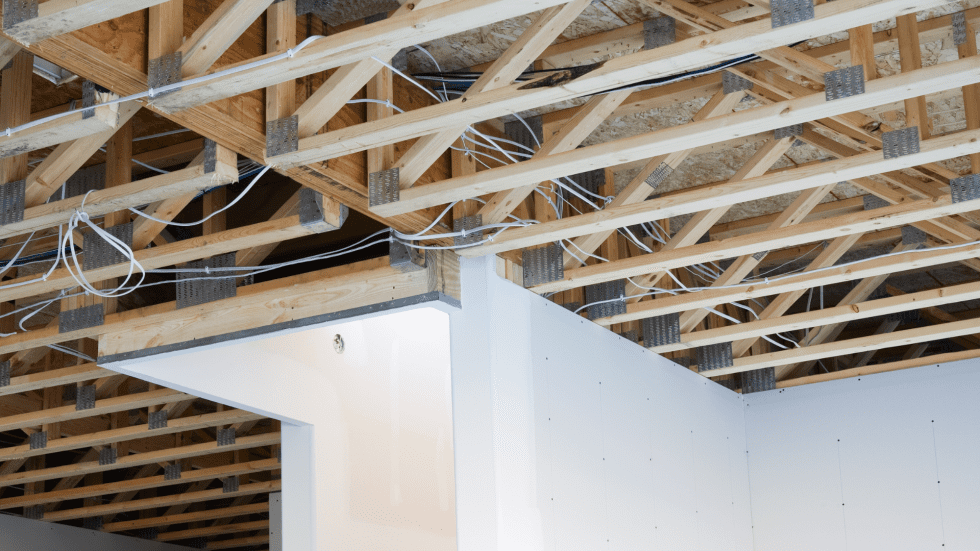
Ceiling joists run horizontally across the structure and help support the attic floor while also preventing walls from spreading apart under roof loads.
Likelihood of Replacement: Very Low. Replacement is only necessary if there is extreme structural damage.
Final Thoughts
Understanding the wooden components of your roof can help you communicate better with contractors and anticipate potential costs. While some structural elements rarely need replacing, others—especially fascia boards, sheathing, and rafter tails—commonly require attention.
Regular maintenance and timely repairs can extend the lifespan of these materials and protect your home from costly structural issues in the future.
To get a better understanding of how the replacement of some of these items might affect the cost of a roofing project, check out our change order cost quiz with real examples of wood repair change orders to get a visual on what the damages cost to repair.
Ready to get your roof inspected or replaced? Request a free quote from local contractors—no phone number required.