
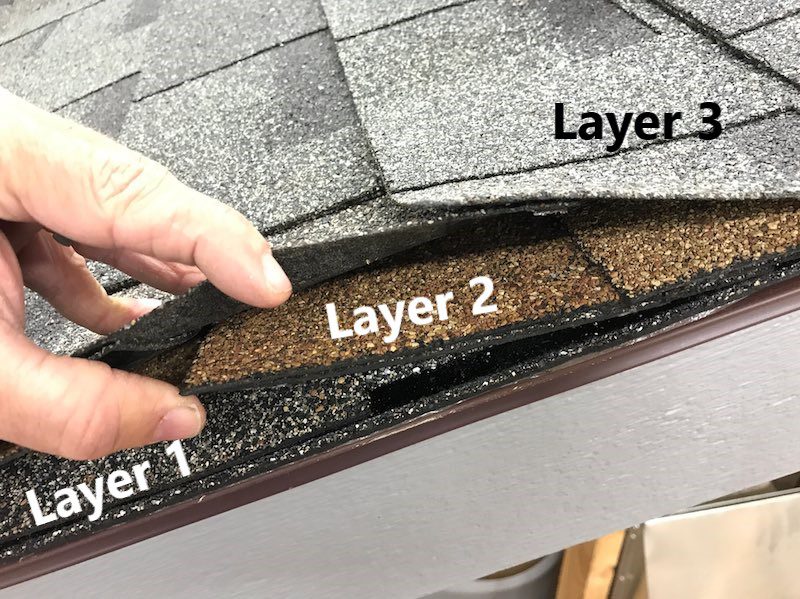
Shingle Overlay—Don't Do It
If you've been looking into replacing your roof, you may have heard the term "shingle overlay." This is when a new layer of shingles is installed directly on top of the existing shingles—no tear-off of the old material, no replacement of underlayment, flashing, or deteriorating roof components. At first glance, an overlay can appear tempting because it's often advertised as a quicker, cheaper alternative to a full roof replacement. However, as roofing professionals and many homeowners have learned, the cons far outweigh any short-term savings. Below, we'll explore why most roofers—including the contractors we partner with—strongly advise against overlays.
1. The Cost Difference Isn't Worth It
Less expensive at first: Overlays can be anywhere from $90 to $150 per square cheaper than a complete tear-off. Given that a standard tear-off and reroof often runs around $550 to $600 per square, this can look like a 15% to 25% cost reduction initially.
You still pay for tear-off later: You're just postponing the cost. Eventually, the old and new shingles will both need to be removed for a proper replacement. When that day comes, you'll have to pay for the labor (and possibly extra labor if more layers need to be removed) you were trying to avoid.
You'll pay more in the long term: An overlay can lead to additional costs down the road, such as having to fix or replace plywood sheathing that's become damaged over time. You end up paying for the tear-off and any hidden damage repair later—often at a higher cost.
2. Reduced Lifespan and Performance
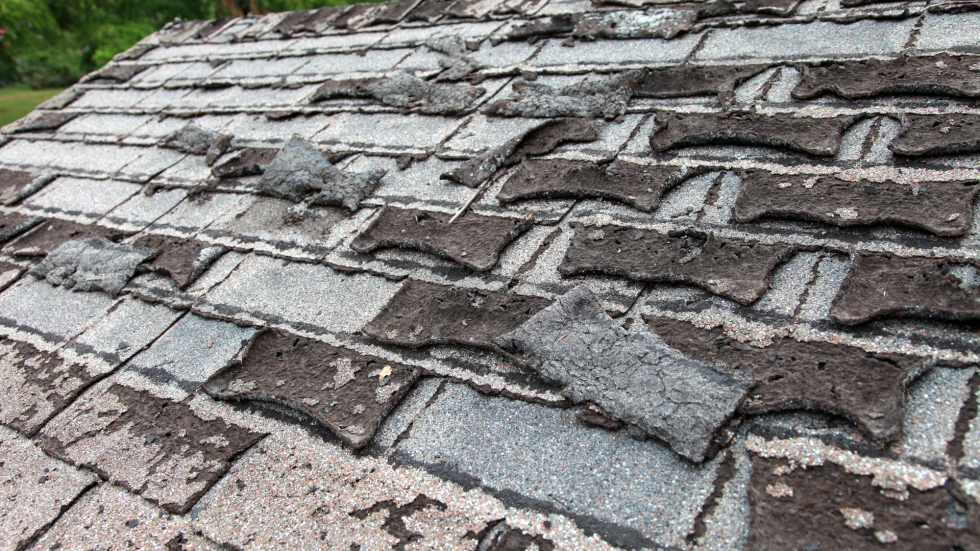
New shingles won't sit flat: Shingles are designed to lie on a smooth, flat surface. Stacking them on an older layer creates bumps, preventing them from sealing properly to the layer beneath. Modern shingles rely on an adhesive strip that melts and forms a tight bond, but that bond is jeopardized when laid over uneven, deteriorating shingles.
Old shingles keep deteriorating: Even though they're covered by a new layer, your old shingles will continue to break down. Decomposition can introduce moisture and rot issues below.
Increased load on the roof: Extra layers mean extra weight. Many roofs weren't designed to hold multiple layers of shingles indefinitely. This added weight can stress your home's structure and potentially lead to issues with sagging or even structural damage over time.
Caps become too thick: Ridge caps and hips (the areas where roof planes meet) can be especially problematic. Adding an extra layer makes these areas excessively bulky, potentially restricting proper airflow and making it hard to nail in the caps to the proper depth.
3. Ventilation Issues
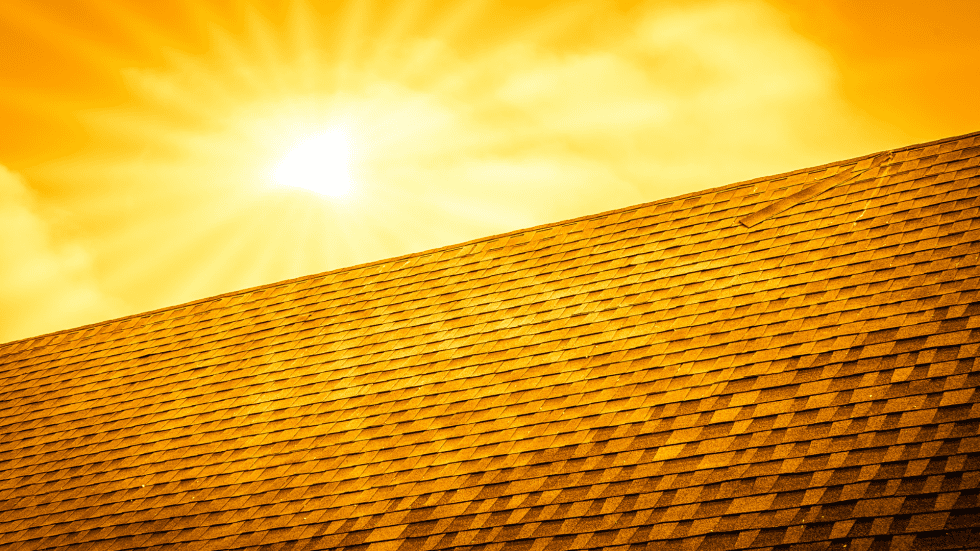
One often overlooked consequence of shingle overlays is the impact on roof ventilation. A properly ventilated roof allows air to flow in and out of the attic space, removing excess heat and moisture. When you add additional layers of shingles:
Trapped Heat and Moisture: Overlays can trap heat beneath the shingles because they create thicker layers, reducing the breathability of the roof system. Excess heat and moisture in your attic can raise energy bills in summer and contribute to mold growth or wood rot.
Shorter Roof Lifespan: Proper ventilation is a key factor in extending the life of your shingles. By reducing airflow, overlays accelerate the aging process of both the old and new shingles. This shortened lifespan ultimately erodes any savings you initially gained by skipping a full tear-off.
Indoor Climate Concerns: Poor roof ventilation doesn't just affect your shingles—it can impact your home's overall climate, making it more difficult (and expensive) to maintain comfortable indoor temperatures.
4. Harder (or Impossible) to Address Critical Components
Improper flashing and venting: A proper roof replacement involves updating or installing new flashing around chimneys, valleys, skylights, and vent stacks. With overlays, your ability to replace flashing or revent properly is severely limited, leading to gaps or leaks over time.
Rotten wood gets missed: If your sheathing is weak, rotted, or otherwise compromised, it should be replaced during a full tear-off. An overlay makes it impossible to inspect and repair. This can allow moisture to fester, resulting in more extensive damage and potentially costly structural repairs down the line.
With an overlay, you cannot inspect the roof deck for rot, damage, or structural issues. Problems that could have been caught early may go unnoticed until they become major—and expensive—repairs.
5. Why the Roofing Industry Has Moved Away from Overlays
Decades ago, overlays were more common. However, with improved roofing technology and better understanding of product lifespans, most reputable contractors now avoid overlays. They see firsthand the real cost and inconvenience homeowners face when the shortcut inevitably fails. In fact, many roofers won't do overlays at all, as it can tarnish their reputation if the new shingles fail prematurely or if hidden damage leads to future problems.
6. The Bottom Line
While an overlay might seem attractive because it's about 15%–25% cheaper than a tear-off—potentially saving you $90 to $150 per square in the short run—those savings are usually wiped out by:
- Reduced shingle lifespan
- More frequent repairs and potential for leaks
- Additional labor and disposal fees down the line
- Inability to fix hidden structural issues
- Harm to ventilation and overall home comfort
With a proper tear-off, you're not just getting new shingles. You're investing in the overall health of your home by ensuring that the sheathing, underlayment, flashing, and ventilation are all inspected and brought up to current standards. This solid foundation helps your new roof perform as it should for its full lifespan.
If you're thinking about an overlay, remember that there's no such thing as a "cheap" fix for a roof. You can either pay for it now or pay for it (plus potential extra damage) later. For most homeowners, the smart choice is a full tear-off and install—a roof system that will protect your home properly and last as long as it's intended.
Need More Information?
We're here to help you make the best decision for your home and budget. Don't hesitate to reach out with any questions or to schedule an inspection. After all, your roof isn't just another part of your house—it's your first line of defense against the elements.
Ready to get a proper roof replacement? Request a free quote from local contractors—no phone number required.