
Roof Pitch Explained
When it comes to roofs, one of the most important factors to consider is the pitch. Roof pitch not only affects the aesthetics of a home but also plays a critical role in its performance, longevity, and cost of maintenance. In this article, we will explore the difference between flat and pitched roofs, how pitch impacts durability and costs, and address common issues like ponding on flat roofs.
What is Pitch?
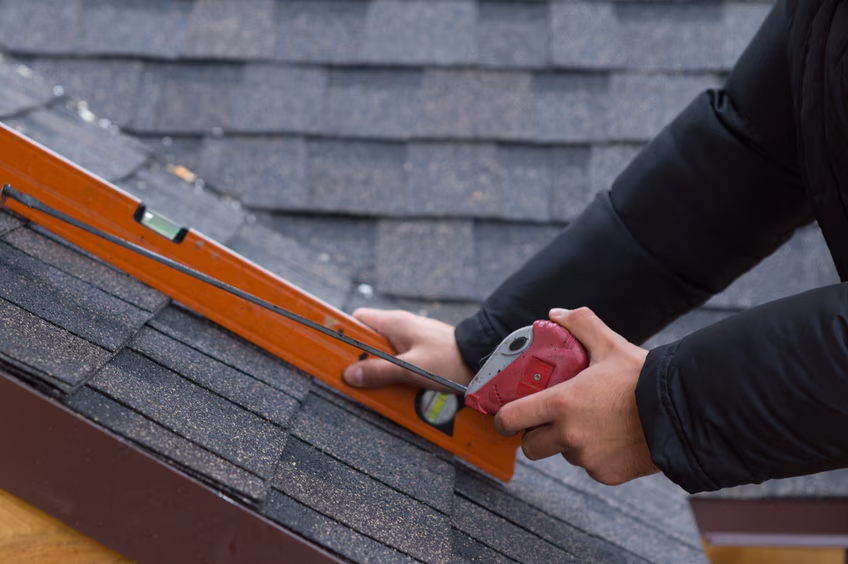
Roof pitch, also known as roof slope, refers to the angle at which a roof rises. It is typically expressed as a ratio, such as 4:12, meaning the roof rises 4 inches for every 12 inches of horizontal distance. The pitch of a roof can be calculated by measuring the vertical rise and dividing it by the horizontal run, then converting that value into a ratio.
Common roof pitches and their approximate angles include:
- 1:12 – Around 4.5 degrees
- 3:12 – Around 14 degrees
- 4:12 – Around 18.5 degrees
- 6:12 – Around 26.5 degrees
- 9:12 – Around 37 degrees
- 12:12 – A steep 45-degree angle
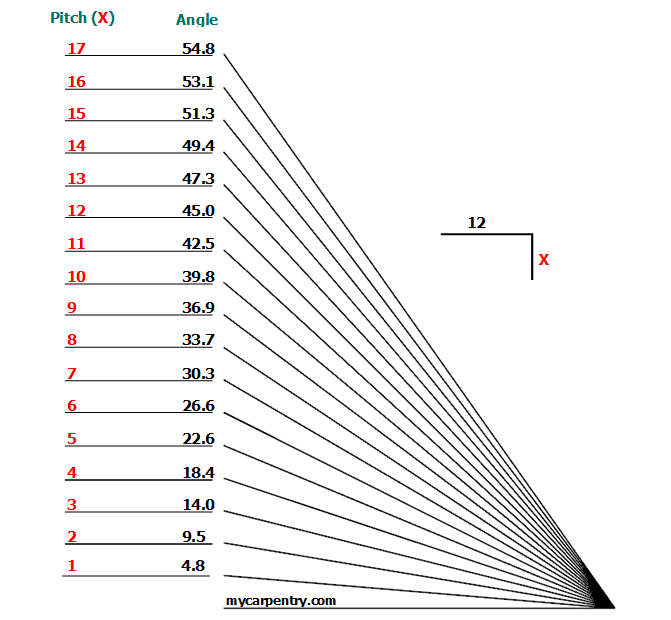
Understanding pitch is important because it impacts water drainage, roofing material selection, and installation costs.
Flat Roofs vs. Pitched Roofs: What's the Difference?
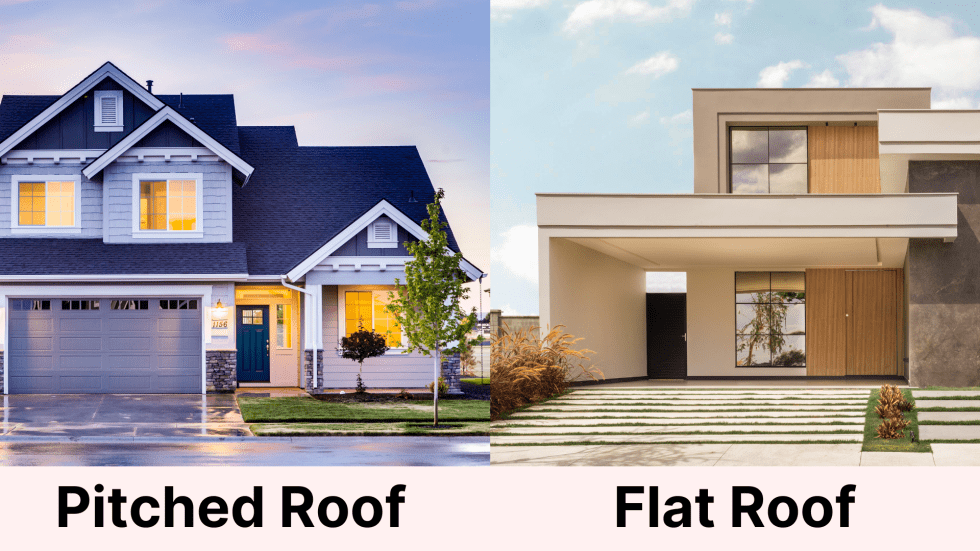
The term "flat roof" can sometimes be a bit misleading, as all roofs must have some degree of slope to allow for drainage. In general, a flat roof has a pitch of less than 2:12, meaning it rises fewer than two inches for every 12 inches of horizontal distance. These types of roofs are commonly found on commercial buildings and more modern residential homes. They are often found on garages, awnings, and additions as well.
A pitched roof, on the other hand, has a steeper incline—typically above 2:12 and often much higher. Pitched roofs are the most common type for residential properties, as they provide better water runoff and allow for attic space or additional insulation.
How Does Roof Pitch Affect Performance and Longevity?
The steepness of a roof significantly impacts how well it sheds water and debris, which in turn affects its lifespan. Here's how:
Water Drainage: Steeper roofs (e.g., 6:12 or greater) quickly shed rain and snow, reducing the likelihood of water infiltration and ice dam formation. Flat roofs, in contrast, are more prone to water pooling, which can lead to leaks and structural damage over time.
Material Longevity: Pitched roofs tend to last longer because materials such as asphalt shingles, tiles, and metal panels perform better when installed on a slope. Flat roofs often require specialized materials like modified bitumen, EPDM, or TPO, which may have shorter lifespans and require more maintenance.
Maintenance Requirements: Flat roofs generally need more frequent inspections and maintenance to ensure proper drainage, whereas pitched roofs are more self-sustaining.
How Does Roof Pitch Affect Replacement Costs?
The cost of replacing a roof is directly influenced by its pitch. Here's why:
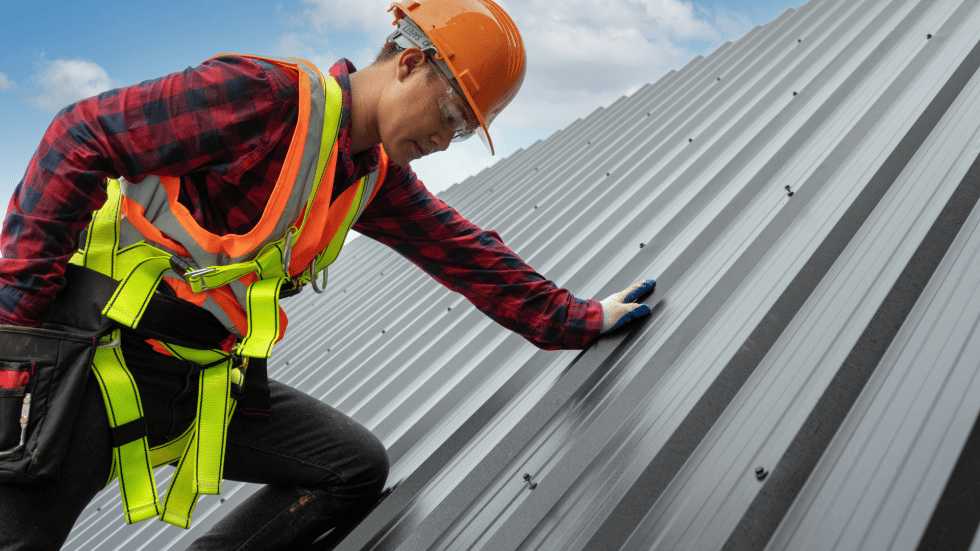
Labor Costs: Steeper roofs require more labor-intensive installation techniques, including the use of safety harnesses or even scaffolding for very steep roofs. Most roofers start charging extra for steep pitch work at around a 6:12 pitch, with additional price increases at 8:12 and above. Extremely steep roofs, such as those with a 12:12 pitch, may see labor costs nearly double due to the increased difficulty and time required for installation. This significantly raises overall replacement costs compared to more typical sloped roofs.
Material Costs: Certain roofing materials, such as slate or clay tiles, require steeper pitches for proper installation. Higher-pitched roofs may also require additional underlayment and structural support.
Time and Complexity: A roof with a steep pitch takes longer to install due to safety concerns and the difficulty of handling materials at an angle. Materials that could be easily set down on a normal roof now need to be fastened down or placed on supports to prevent them from sliding off.
Can a Flat Roof Technically Have a Pitch?
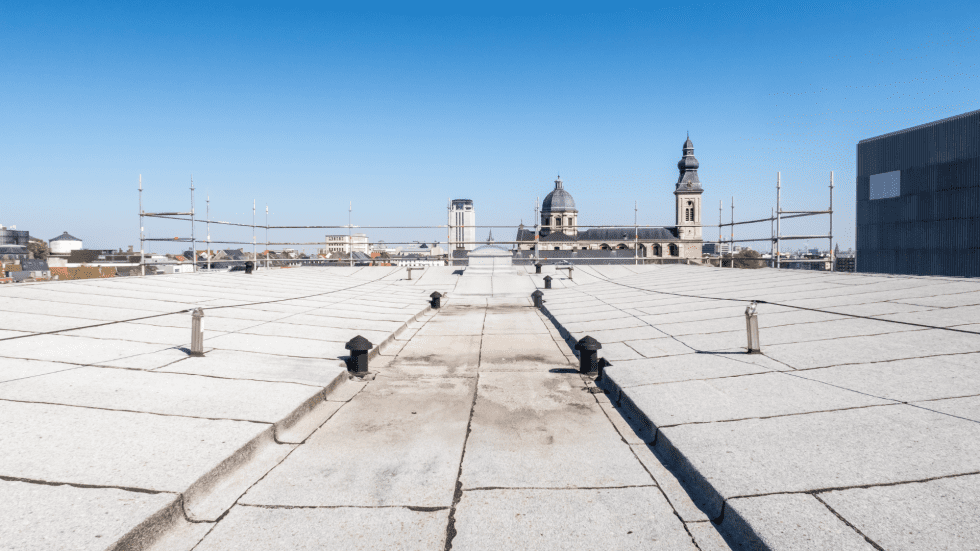
Yes! While they are called "flat roofs," they are never completely level. A properly installed flat roof should have a slight slope—typically around 1/4 inch per foot—to allow for proper drainage. This slight pitch helps prevent water accumulation, which can lead to significant structural problems over time.
Understanding Ponding on Flat Roofs
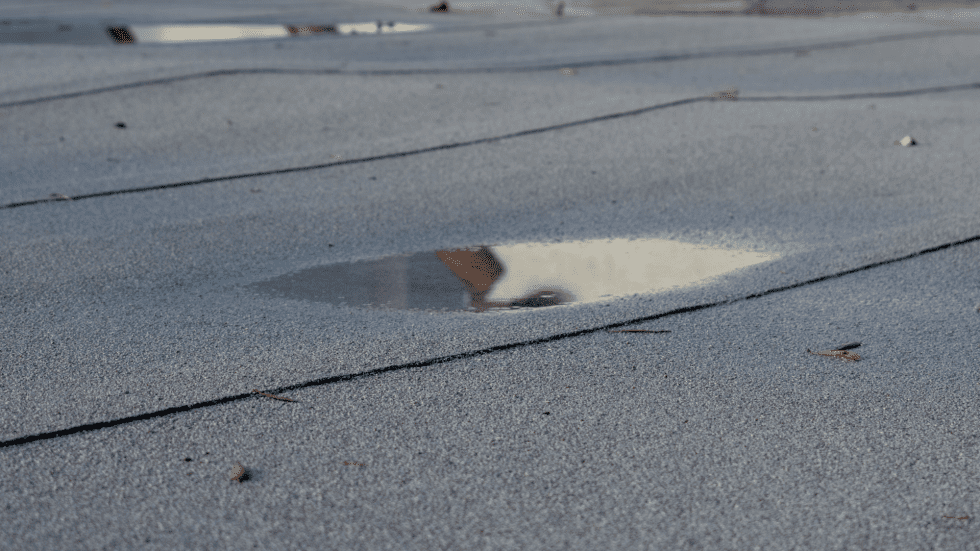
One of the biggest issues with flat roofs is ponding, which occurs when water accumulates and does not drain properly. This can happen due to:
Improper Installation: If a roof is not built with adequate slope or if drainage points are not positioned correctly, water can pool in certain areas.
Structural Settling: Over time, buildings may shift, causing dips in the roof that collect water.
Clogged Drains: Debris buildup in drains and gutters can prevent water from flowing off the roof properly.
How to Fix Ponding on a Flat Roof
If ponding is an issue, several solutions can help:
Improve Drainage: Ensure that all drains and scuppers are clear of debris. In some cases, installing additional drains can help redirect water.
Tapered Insulation System: Adding tapered insulation beneath the roofing membrane can help create a slight slope, directing water toward drainage points. Often times a form of rigid insulation called ISO board can be added to low spots on a flat roof during construction to eliminate ponding zones.
Roof Coatings: Certain coatings, such as silicone or acrylic coatings, can help seal minor low spots and improve water resistance. Silicone is probably a better choice for ponding areas due to its superior water resistance qualities.
Regrading the Roof: In severe cases, a professional may need to regrade the surface by adding new materials to create a better slope. This would involve building a new roof deck with 2×4's and plywood sheathing to increase the roof pitch in certain areas. This approach can be quite costly depending on the extent of the carpentry, but will provide a more permanent and reliable solution to ponding issues.
Understanding roof pitch is crucial for both homeowners or anyone involved with roof work. Whether you're choosing between a flat or pitched roof, considering a roof replacement, or dealing with ponding issues, knowing how pitch affects performance, longevity, and costs can help you make informed decisions. If you're experiencing roofing issues, consulting with a professional contractor can ensure your roof remains in top condition for years to come.
Ready to get your roof replaced or repaired? Request a quote here and receive real bids from local contractors—usually within 20 minutes. No phone calls required.