
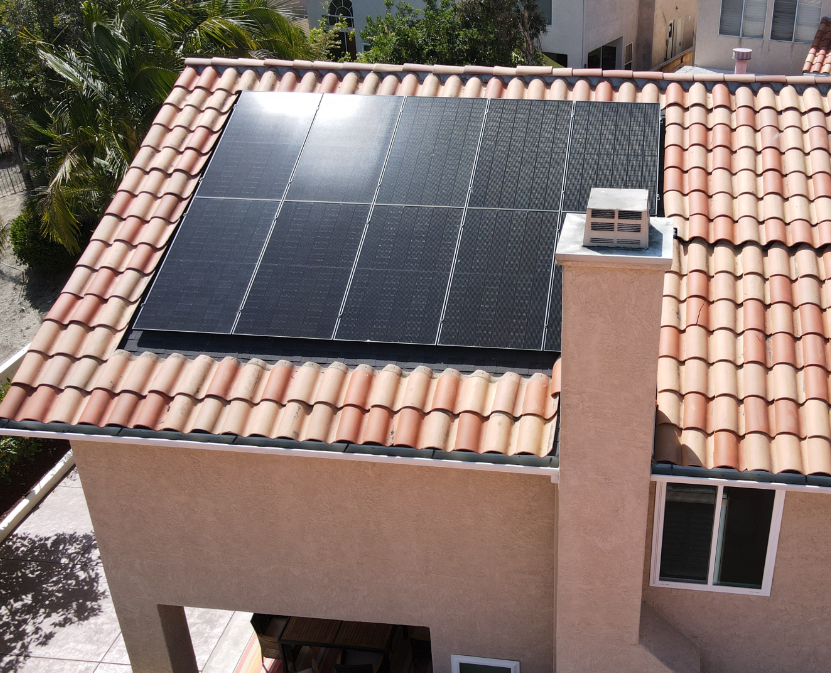
Should You Replace Your Roof Before Going Solar?
Are you thinking about going solar but unsure about the condition of your roof? If your roof is old or showing signs of wear, you're not alone—many homeowners (and even some solar companies!) overlook the long-term implications of installing solar on a compromised roof. Below, you'll find guidance to help you decide whether to replace your roof before installing solar or move forward with your existing roof.
[TODO: Add image gallery of solar installed on bad roofs]
Roof and Solar Lifespans
Solar panels typically carry warranties ensuring at least 80% efficiency for 25 years, and many installers match those warranties. Meanwhile, a standard asphalt shingle roof can last 20–30 years, placing its service life in a similar range as a solar system.
If your roof is already 10 or more years old, it may need replacement long before your solar panels lose efficiency. This timing mismatch can lead to complications and costs you might not anticipate.
The Cost of Installing Solar on an Older Roof
One major consideration is the cost of removing and reinstalling solar panels if the roof must be replaced down the road. Because a contractor can't work on the roof with the panels attached, you'll incur additional charges—potentially $250 per panel, or around $5,000 for a typical 8kW (20-panel) system—just to have the panels detached and reset. These expenses might be avoided if you replace an aging roof beforehand.
Wondering what a roof replacement would cost before going solar? Get quotes here to see your actual costs.
The Benefits of Bundling Your Roof and Solar
Bundling a roof replacement with your solar installation has several financial and practical advantages. Solar loans generally have lower rates than home improvement loans, and being able to pay for the solar and roof together in 1 payment can be convenient. We recommend fully researching your payment options.
Some homeowners will include the cost of the roof when filing for the federal solar tax credit. While this is common, it is controversial and can get you in trouble with the IRS if audited.
So What Should I Do?
The table below provides a rough guide on how to make your decision. It considers your roof's age, estimated remaining lifespan, and suggested steps.
Note that the recommended action is based on how much life is left in the roof, not just how old it is! If the roof was poorly installed, is a roof type with a shorter lifespan (i.e Modified bitumen), the age of the roof will not line up with how many years are left in the roof's lifespan. Sometimes a partial roof replacement may make sense. See further down in the article for more info on that.
| Roof Age | Likely Remaining Lifespan | Recommended Action |
|---|---|---|
| 0-5 years | 15-25 years left | Install solar on current roof: With a near-new roof, installing solar is generally safe. You should not need a roof replacement during your panels' lifespan. |
| 6-10 years | 10-20 years left | Install on Current Roof: If the roof is in good shape, installing now can be cost-effective. However, expect a roof replacement to occur while your solar system is still operating. Many homeowners eventually choose to invest in a new solar system when the time comes, rather than paying for removal and reinstallation. |
| 11-15 years | 5-15 years left | Replace at least part of the roof: Replacing at least the part of the roof where solar is going will give you peace of mind, and prevent the need for removing and re-installing the roof in 5-15 years. At this point it's really important to consider the condition of the roof! |
| 16-20 years | 0-10 years left | Replace the roof first: At this point we recommend replacing the roof. If money is tight, replacing part of the roof can be an option |
| 20+ years | Potentially 0-5 years left | Definitely replace the roof first!: A roof this old is almost certainly due for a full replacement. We have seen many nightmares due to installing solar on old roofs that you will want to avoid. |
Understanding the incentives of a solar company:
Most solar installers are not roofing experts. And while most are honest, it is important to understand that their recommendations will be shaped by their incentives and experience. They will generally not recommend roof replacements unless the roof is in very poor condition. Solar installers want to avoid roof leaks immediately after installation because they don't want to be held responsible. However, if the roof leaks 5-10 years later due to its age, they won't be blamed—and you, the homeowner, will have to cover the cost of removing and reinstalling the solar panels to fix the problem. And unfortunately, this means you'll have to pay for the labor-intensive process of removing and reinstalling the solar panels when the roof is finally replaced. Even worse, the solar company may make additional money from this service, further discouraging them from recommending a roof replacement upfront—even if it would save you money in the long run.
Does Solar Help Prevent Leaks?
Some solar companies point out that solar panels can help protect roofs, potentially extending the lifespan of the roof. When removing old solar systems, we've observed that the shingles beneath the panels often look significantly better than the exposed areas. This is because the panels provide shade, reducing direct sun exposure and slowing wear.
However, while solar panels can offer some protection, they do not dramatically extend a roof's overall lifespan. The most vulnerable areas—such as valleys, chimneys, skylights, and other penetrations—remain exposed and prone to leaks over time. Simply put, while solar panels may slow down deterioration in certain spots, they do not replace the need for a strong, well-maintained roof. There are no studies on this topic, but in our experience: Yes, solar panels help parts of the roof age more slowly. No, the solar panels will not dramatically increase the lifespan of your roof.
Partial Roof Replacement: Pros and Cons
Some homeowners opt to replace only the section of roof beneath the solar panels. Our partial roof replacement guide explains in more detail what you need to know about replacing part of the roof.
This is generally not a recommended practice, but can make sense in some situations. If your roof still has 10-15 years of life in it, you're in a tricky spot. If you install solar now, you'll likely have to pay to remove and reinstall the panels in 10-15 years when the roof needs replacing. That's a big added expense and hassle. On the other hand, replacing a roof that still has a good amount of life left can feel wasteful and unnecessary. In these cases, partial roof replacement can be a smart compromise—especially if you can consolidate your solar panels onto fewer roof planes. That way, the portion of the roof you need to replace now is minimized. However, keep in mind that having mismatched lifespans on different parts of your roof can be frustrating. When the remaining sections of the roof eventually need replacement, you may end up replacing the entire roof at that point anyway, rather than continuing to do partial replacements indefinitely. If you plan to sell your home, a future buyer will likely prefer a roof with uniform remaining lifespan rather than a patchwork of different-aged sections.
Final Thoughts
Too many homeowners make decisions about solar without thinking about the long-term impacts. It's easy to focus on the immediate benefits—energy savings, tax incentives, and reducing reliance on the grid—without considering how the roof will hold up over the lifespan of the panels. But installing solar on a roof that will need replacement too soon can lead to costly detach-and-reset fees, logistical headaches, and added expenses down the road.
The key takeaway? Be informed and proactive. If your roof is nearing the end of its lifespan, replacing it first can save you thousands in future labor costs and prevent unnecessary stress. If your roof still has 10-15 years left, consider a partial replacement, but understand the trade-offs of mismatched roof lifespans. Every situation is different, so it's crucial to assess your roof's condition, the layout of your solar panels, and your long-term homeownership plans.
If you take the time to evaluate your options now, you will thank yourself later!
Planning to go solar? Get a roof quote first to understand your full project costs and make an informed decision.