
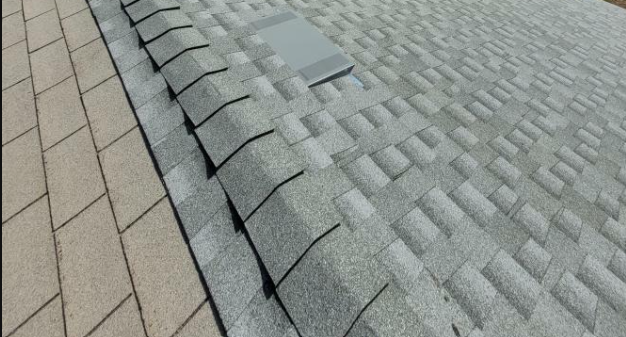
Partial Roof Replacement: An In-Depth Guide
Partial roof replacements are occasionally done when only a specific area of the roof is damaged, or when a homeowner is installing solar on part of the roof. We recommend homeowners stay away from them, but they can make sense in a few specific situations. This article will explain why they should generally be avoided and when they may make sense.
Partial roof replacements should generally be avoided due to potential warranty issues, aesthetic mismatches, and long-term complications. However, they can make sense in specific situations outlined below.
Why Consider a Partial Roof Replacement?
1. Part of the roof was damaged
Insurance companies may recommend replacing just part of the roof if a storm or tree falling damaged only a section of it. If the entire roof was not compromised, this can be a viable option.
2. Solar is being installed
In some cases, it can make sense to just replace the planes that panels are being installed on. See our guide on replacing your roof before going solar for more details.
3. Saving money
To save money, some homeowners will forgo replacing the whole roof at the end of its life and replace sections at a time. If you are very tight on money, this may be the only option, but we do not recommend it if possible. This is generally only done when the roof is being replaced by a friend of the homeowner, and is not a licensed roofing company's standard practice.
Potential Drawbacks
1. Mismatched Roof Age & Aesthetics
Partial replacements can result in a "patchwork" look—where one section appears newer than another. Beyond aesthetics, this also means different sections of your roof will age at different rates, potentially leading to issues down the line.
2. Limited or No Warranty Coverage
Many roofers are hesitant to offer warranties on partial replacements, especially if it involves splitting a single plane. If issues arise where the old and new materials meet, it can be difficult to determine which section is at fault. A roofer will be much more confident that they can make a roof waterproof when they're replacing every aspect of it.
3. Complexity with Valleys
Valleys—where two roof planes meet—are more prone to leaks. If a partial replacement ends in a valley, problems can be hard to diagnose. Without a clear separation, roofing contractors may refuse to offer any warranty or guarantee.
4. Potential for Future Replacements
If you have multiple roof planes of varying ages, eventually you may end up needing additional replacements. In some cases, the homeowner or new buyer end up replacing the entire roof anyway after a few years, just to simplify maintenance or improve aesthetics.
When Can You Do a Partial Roof Replacement?
1. Whole Planes vs. Partial Planes
-
A whole-plane replacement is generally preferred. That means replacing one entire side or section of the roof—rather than just a part of that plane. This approach allows the roofer to create clean transitions along the ridges or edges instead of cutting through the middle of a plane.
-
A partial-plane replacement (only half or a portion of a plane) is rarely recommended. Not only does it create weak points or seams, but most roofers won't warranty work that stops abruptly in the middle of a slope.
2. Valley Terminations
-
If a plane ends in a valley, be cautious about doing a partial replacement. Valleys are high-risk areas for leaks, and a new roof section abutting an old roof section in a valley can lead to warranty issues and future leaks.
-
If you find a roofer willing to stand behind a valley transition—and they have a good reputation—then it might be worth considering if the cost savings are substantial.
3. Warranty Considerations
- Check carefully what warranty the roofer is willing to provide. A partial job may come with a limited or no warranty, which could affect your long-term costs if you face repairs later.
Always get the warranty terms in writing before proceeding with a partial roof replacement. A limited warranty today could mean expensive repairs tomorrow.
Special Considerations for Solar Panel Installations
If you are planning to install solar panels, a partial roof replacement can be a strategic compromise:
-
Preventing Future Panel Removal: Installing solar panels on an older roof can lead to major costs in 10-15 years when you have to remove and reinstall the panels for a full roof replacement. Replacing just the section(s) where panels will be placed can help avoid this expense.
-
Consolidating Panels: If you can concentrate the solar array onto fewer roof planes, you minimize the area that needs new shingles. This reduces upfront cost and environmental impact.
-
Avoiding Patchwork Over Time: Keep in mind that when the rest of your roof eventually needs replacing, you might choose to replace everything for a consistent look and lifespan—even if some planes are newer.
Tips for a Successful Partial Replacement
-
Hire a Reputable Roofer: Partial roofs are more prone to leaks than full replacements, so it's even more important that you pick the right contractor for the job.
-
Seek Multiple Bids: Get quotes from several roofing companies. Compare not just cost, but also what each contractor includes in their proposal—especially around warranty and future maintenance. Request roofing quotes on BidList to compare multiple pre-vetted contractors.
-
Discuss Transition Details: If you're replacing just one plane or section, ask how the roofer will handle the seams or transitions to older materials. Will they use flashing or special underlayment?
-
Plan for Future Roof Work: Understand that partial replacement can shift timelines. Decide whether you're okay with having different sections at different stages of wear.
Final Thoughts
Partial roof replacements should generally be avoided due to potential warranty issues, aesthetic mismatches, and long-term complications. However, they can make sense in specific situations like insurance-covered damage, solar panel installations, or severe financial constraints.
When considering a partial replacement, it's crucial to work with a reputable contractor who can properly handle the transitions between old and new materials. Ultimately, while the upfront cost savings may be appealing, homeowners should carefully weigh this against the potential long-term implications before deciding if a partial replacement is truly the best solution for their situation.
Next Steps:
- Assess which sections of your roof need replacement
- Request quotes from at least 3 licensed roofing contractors
- Ask specifically about warranty coverage for partial work
- Consider the long-term costs vs. a full replacement
- Make an informed decision based on your specific situation