
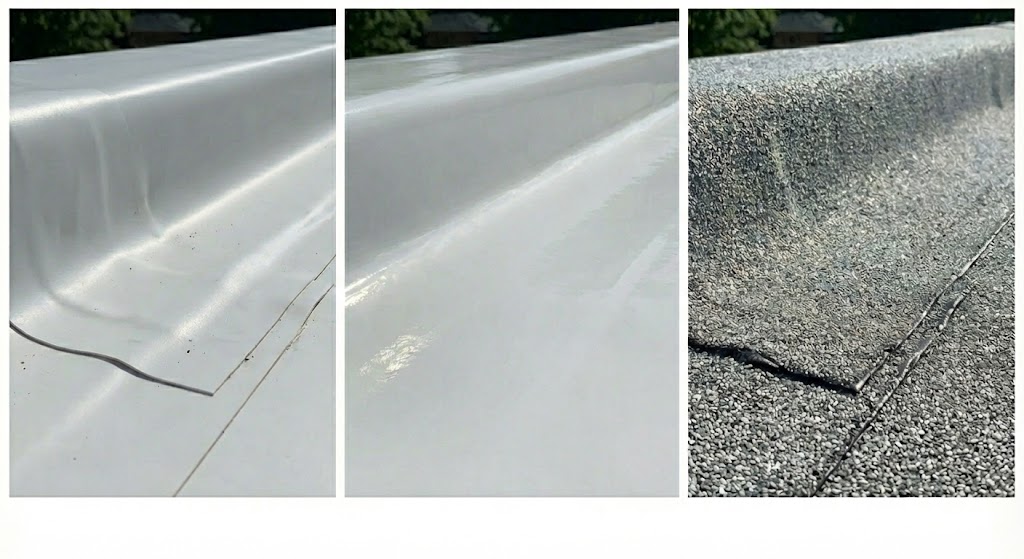
A Comprehensive Overview of Flat Roofing Materials
Flat roofs are a popular choice these days for commercial and residential buildings due to their modern aesthetic and practical use of space. However, there's a reason why flat roofs have not been common throughout history, they are notoriously difficult to waterproof. Selecting the right flat roof material is crucial for ensuring longevity, performance, and value for your investment. Below, we explore various flat roof materials, their pros and cons, and provide a comparison guide to help you make an informed decision.
1. Modified Bitumen
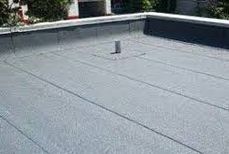
Description: Modified bitumen roofing is a type of asphalt-based roofing that is reinforced with polyester or fiberglass for added durability. It is installed in layers, often using a torch to heat the material and adhere it to the surface, or using adhesives to bond the layers together. Also known as Mod Bit, it is one of the most common flat roofing materials installed in the US.
Pros:
- Highly durable and weather-resistant.
- Easy to repair.
- Affordable compared to some other materials.
Cons:
- Requires professional installation due to the use of heat.
- Does not last as long as other more premium roof materials
- Can degrade under prolonged UV exposure.
2. TPO (Thermoplastic Polyolefin) Membrane
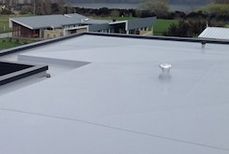
Description: TPO is a single-ply roofing membrane known for its energy efficiency and durability. It is often white, which helps reflect sunlight. TPO is commonly installed on commercial building and large roof surfaces, and is usually more expensive than modified bitumen for single family homeowners.
Pros:
- Excellent energy efficiency.
- Resistant to mold, dirt, and punctures.
- Lightweight and easy to install.
Cons:
- Can be more expensive than other options.
- Usually only available in light colors.
3. Silicone Coating
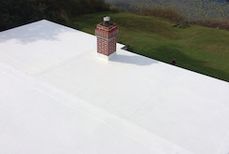
Description: Silicone coatings are applied over existing roofing systems to provide a seamless, waterproof layer. They are particularly beneficial for flat roofs prone to ponding water, as the coating's hydrophobic properties ensure effective drainage. The reflective nature of silicone also helps to reduce heat absorption, making it a popular choice for energy-conscious property owners. Silicone coatings (and coatings in general) can be a cost-effective option to rejuvenate a roof when removing the old material may be difficult or labor-intensive.
Pros:
- Excellent waterproofing capabilities.
- Resistant to UV rays and ponding water.
- Extends the life of the existing roof.
Cons:
- Higher upfront cost.
- Slippery when wet.
- Tricky to install
- Quality varies on manufacturer and thickness of coating
4. Elastomeric Coating
Description: This is a rubberized coating that expands and contracts with the roof, providing a durable and flexible protective layer. It is designed to adhere seamlessly to various flat roof surfaces, creating a protective barrier against leaks and minor damage. Elastomeric coatings are particularly suitable for climates with fluctuating temperatures, as they can handle the stresses of thermal expansion and contraction without cracking or peeling.
Pros:
- Cost-effective and easy to apply.
- Provides thermal insulation.
- Seals small leaks and cracks.
Cons:
- Requires reapplication every few years.
- May not withstand severe weather.
5. Acrylic Coating
Description: Acrylic coatings are water-based and provide a reflective, waterproof barrier for flat roofs. Unlike silicone coatings, which excel in waterproofing and resistance to ponding water, acrylic coatings are better suited for drier climates as they can be less effective in standing water conditions. Additionally, while elastomeric coatings offer flexibility to withstand temperature fluctuations, acrylic coatings prioritize reflectivity and cost-effectiveness, making them an eco-friendly choice for reducing cooling costs in hot climates. They also differ in their application process, as acrylic coatings are generally easier and safer to apply due to their water-based composition.
Pros:
- Affordable and eco-friendly.
- Highly reflective, reducing energy costs.
- Easy to apply.
Cons:
- Less effective in areas with heavy rainfall or ponding water.
- Requires reapplication more frequently than silicone or elastomeric coatings.
6. EPDM (Ethylene Propylene Diene Monomer) Rubber
Description: EPDM is a synthetic rubber membrane known for its flexibility and weather resistance. It stands out for its simplicity and durability, making it a popular choice for both commercial and residential flat roofs. Unlike coatings like silicone and elastomeric, which are applied as liquid layers, EPDM comes in large sheets that are rolled onto the roof, providing a seamless surface. While silicone and elastomeric coatings are often used for their reflective properties and ability to seal existing roofs, EPDM's strength lies in its robust performance against extreme temperatures and UV exposure, along with its longer lifespan.
Pros:
- Long lifespan (up to 30 years).
- Resistant to UV rays and extreme temperatures.
- Easy to repair.
Cons:
- Black EPDM absorbs heat, which can increase cooling costs.
- Can puncture easily if not properly maintained.
7. PVC (Polyvinyl Chloride) Membrane
Description: PVC roofing is a durable and lightweight single-ply membrane that is heat-welded for seamless installation. It stands apart from other materials like silicone and elastomeric coatings in its chemical resistance and ability to withstand harsh environmental conditions, including fire and strong chemicals. Unlike coatings, which are applied over existing roofs, PVC membranes provide a complete roofing solution with high tensile strength, ensuring durability even in industrial settings. Additionally, its reflective properties contribute to energy savings by reducing heat absorption, making it a preferred choice for energy-efficient building designs.
Pros:
- Highly durable and resistant to chemicals and fire.
- Reflects heat, reducing energy costs.
- Low maintenance.
Cons:
- Higher cost compared to other materials.
- Less flexible in cold weather.
8. Built-Up Flat Roof (BUR)
Description: BUR consists of multiple layers of bitumen and reinforcing fabrics, creating a durable and waterproof roof. This type of material is not commonly installed anymore, and has largely been replaced by modified bitumen roofing materials.
Pros:
- Proven performance with a long history of use.
- Excellent protection against water and UV rays.
- Long lifespan.
Cons:
- Heavy and requires a strong structural support.
- Labor-intensive installation.
9. Polyurethane Spray Foam Roofs
Description: Polyurethane spray foam roofs are created by spraying a liquid mixture that expands into a foam, forming a seamless, insulating, and waterproof layer. This roofing type is highly adaptable, adhering well to irregular shapes and surfaces, and is often used for both commercial and residential applications.
Pros:
- Excellent insulation properties, reducing heating and cooling costs.
- Seamless application prevents leaks and gaps.
- Lightweight yet durable.
Cons:
- Requires professional installation.
- Can be susceptible to UV damage without a protective coating.
- Higher upfront costs compared to traditional roofing materials.
- Can be tricky to mount solar panels on
10. Tar and Gravel
Description: Similar to BUR, tar and gravel roofs use layers of tar, felt, and gravel to create a robust roofing system. Tar and gravel roofs are not really installed anymore, but some old roofs might still have them, especially in milder climates.
Pros:
- Durable and weather-resistant.
- Gravel provides excellent protection against UV rays.
- Cost-effective.
Cons:
- Heavy and requires reinforcement.
- Can be difficult to locate leaks.
Comparison Guide
| Image | Material | Cost | Lifespan | Energy Efficiency | Maintenance | Waterproofing | Install Difficulty |
|---|---|---|---|---|---|---|---|
| Modified Bitumen | Low | 10-20 years | Moderate | Low | High | Moderate |
| TPO Membrane | Moderate-High | 15-20 years | High | Low | High | Low-Moderate |
| Silicone Coating | High | 15-20 years | High | Low | Very High | Low |
| - | Elastomeric Coating | Low | 5-10 years | Moderate | Moderate | Moderate | Low |
| - | Acrylic Coating | Low | 5-10 years | High | High | Moderate | Low |
| - | EPDM Rubber | Moderate | 20-30 years | Moderate | Low | High | Low |
| - | PVC Membrane | High | 20-30 years | High | Low | High | Moderate |
| - | Built-Up Flat Roof | High | 15-25 years | Moderate | Low | High | High |
| - | Tar and Gravel | Moderate | 15-20 years | Moderate | Moderate | High | High |
By understanding the characteristics of each flat roof material, you can select the option that best aligns with your budget, building needs, and environmental considerations.
The Bottom Line
When selecting a flat roofing material, consider these key factors:
- Budget: Modified bitumen and acrylic/elastomeric coatings offer the most affordable options
- Longevity: EPDM rubber and PVC membranes provide the longest lifespans (20-30 years)
- Energy Efficiency: TPO, PVC, silicone coating, and acrylic coating excel at reflecting heat
- Climate: Consider your local weather patterns - coatings work better in dry climates, while membranes are preferred in cold regions
- Existing Roof Condition: Coatings are ideal for good condition roofs, while replacement materials are needed for damaged roofs
The right choice depends on your specific situation. For budget-conscious projects with shorter-term needs, modified bitumen or elastomeric coatings may be ideal. For long-term value and durability, EPDM or PVC membranes are excellent investments. And if your roof is in good condition and you want to extend its life economically, silicone coating could be the perfect solution.
Ready to start your flat roof project? Get competitive quotes from qualified roofing contractors at bidlist.io/request-roof